For seniors considering dental implants in Bacchus Marsh and surrounding areas
Are you tired of the hassle and discomfort of traditional dentures? Do you dream of regaining the ability to eat your Favorite foods with confidence and smile without hesitation? At Main Street Dental Practice in Bacchus Marsh, we can help you achieve a healthy, radiant smile with the long-lasting solution of dental implants.
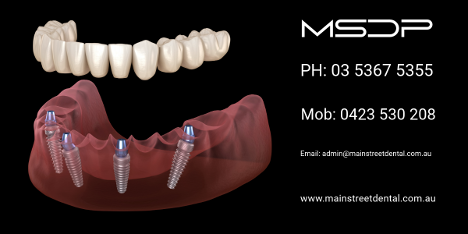
Why Choose Dental Implants Over Traditional Dentures?
Dental implants offer a range of significant advantages over traditional dentures, making them a preferred choice for those seeking a permanent solution for missing teeth.
Improved Oral Health
✔️ Unlike dentures, which can irritate gums and cause bone loss, dental implants fuse with the jawbone, promoting bone growth and improving long-term oral health.
✔️ They do not require the reduction of adjacent teeth, helping to preserve your natural tooth structure.
✔️ Maintains facial structure, preventing the sunken appearance that often occurs with missing teeth.
Enhanced Chewing Ability
✔️ Dental implants provide a stable foundation for replacement teeth, allowing you to chew with confidence and enjoy a wider variety of foods.
✔️ No slipping or discomfort while eating or speaking—say goodbye to dietary restrictions and hello to a more nutritious, enjoyable diet!
Increased Confidence
✔️ Dental implants look, feel, and function like natural teeth, restoring your confidence in everyday activities.
✔️ Smile, speak, and laugh without hesitation—no fear of dentures shifting or falling out.
By choosing dental implants, you’re investing in a permanent, comfortable, and natural-looking solution for missing teeth. Let Main Street Dental Practice help you restore your smile with expert care and advanced implant technology.

Dental Implant Surgery: What to Expect
It’s natural to feel a little anxious about any surgical procedure, but dental implant surgery is a highly successful and minimally invasive treatment. Here’s what you need to know:
1. Is Dental Implant Surgery Painful?
✔️ The procedure is performed under local anaesthesia or sedation, ensuring a pain-free experience.
✔️ Most patients experience only mild discomfort post-surgery, similar to a tooth extraction.
2. How Long Does Recovery Take?
⏳ Initial healing: 1-2 weeks (gum tissue recovery).
⏳ Implant integration: 3-6 months (bone fuses with the implant for long-term stability).
⏳ Final crown placement: Once the healing process is complete.
3. What Is the Success Rate?
✔️ Dental implants have an exceptionally high success rate of 95-98%, making them one of the most reliable dental treatments available.
💡 Tip: Stay on top of oral hygiene and follow your dentist’s post-op instructions for a smooth healing process.
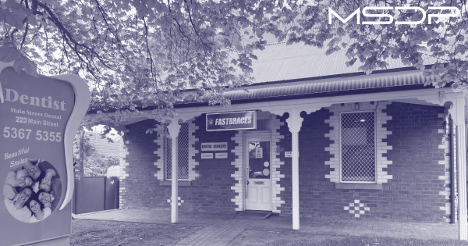
Ready to Restore Your Smile? Visit MSDP in Bacchus Marsh!
If you’re considering dental implants, the expert team at Main Street Dental Practice (MSDP) is here to help. We offer state-of-the-art technology, personalised treatment plans, and experienced care to ensure the best possible results.
📍 Location: 223 Main Street, Bacchus Marsh, Victoria
📞 Call: (03) 5367 5355
📩 Email: admin@mainstreetdental.com.au
Book your consultation today and take the first step towards a confident, healthy smile!
Dental Implants for Seniors: A Life-Changing Solution
Dental implants are an excellent option for seniors, offering numerous benefits:
✔️ Improved oral health – Prevents bone loss and maintains facial structure.
✔️ Better nutrition – Eat a wider variety of foods without discomfort.
✔️ Increased confidence – Enjoy speaking, smiling, and socialising without worry.
✔️ Long-lasting results – A permanent alternative to dentures.
Are Dental Implants Right for You?
If you’re considering dental implants, our team at Main Street Dental Practice is ready to help. Our experienced dentists will:
✔️ Assess your oral health to determine the best implant solution.
✔️ Discuss your treatment options in detail.
✔️ Answer any questions about the procedure, costs, and financing options.
📍 Visit Us at:
Main Street Dental Practice
223 Main Street, Bacchus Marsh VIC
📞 Phone: 03 5367 5355
📩 Email: admin@mainstreetdental.com.au
Take the first step toward a permanent, natural-looking smile—book your consultation today!
Dental implants Bacchus Marsh, best dentist for implants, senior dental care, All-on-4 surgery, missing teeth solutions, denture alternatives, Victoria dental implants, mini implants, zygomatic implants, Main Street Dental Practice, MSDP, [Dentist’s names], [Specific implant brands used], [Cost of dental implants], [Dental financing options].